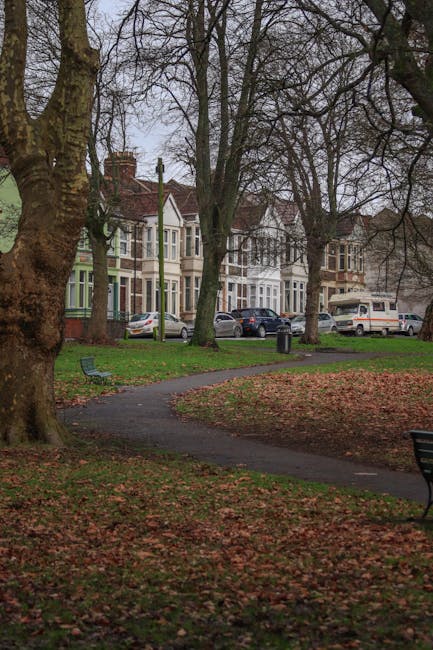
Valentines Park furniture removals guide
If you are planning a move near Valentines Park, the furniture side of it can be the bit that quietly causes the most stress. A sofa that barely fitted through the door once. A wardrobe that seems harmless until you try to turn it in a hallway. A dining table that needs more care than the rest of the house combined. This Valentines Park furniture removals guide is designed to make that part simpler, calmer, and much more manageable.
Whether you are moving from a flat, a family home, or a small office close to the park, the real goal is the same: get furniture out safely, move it efficiently, and avoid damage, delays, or those last-minute panics that always seem to happen just when the kettle's on. To be fair, that is most of the battle won already.
In this guide, you will find practical steps, local moving considerations, packing advice, common mistakes, and a sensible comparison of removal options. If you are also looking into broader moving help, pages like removals in Ilford, man and van support in Ilford IG1, and packing and boxes assistance can help you compare what level of service fits your move.
Table of Contents
- Why Valentines Park furniture removals guide Matters
- How Valentines Park furniture removals guide Works
- Key Benefits and Practical Advantages
- Who This Is For and When It Makes Sense
- Step-by-Step Guidance
- Expert Tips for Better Results
- Common Mistakes to Avoid
- Tools, Resources and Recommendations
- Law, Compliance, Standards, or Best Practice
- Options, Methods, or Comparison Table
- Case Study or Real-World Example
- Practical Checklist
- Conclusion
- Frequently Asked Questions
Why Valentines Park furniture removals guide Matters
Furniture removals are not just about lifting heavy things into a van. They are about planning the whole movement of your home or workspace so the useful stuff arrives in one piece. Near Valentines Park, that matters even more because local moves often involve a mix of housing types, parking realities, shared access points, and awkward layouts. You may have a short travel distance, but short does not always mean easy.
A proper furniture removals plan helps you think through the things people often leave too late: disassembly, protective wrapping, stair width, doorway clearance, parking space, and the order in which items should be loaded. Miss one of those and the day can go sideways fast. The sofa goes first, then suddenly the mattress has nowhere to go, and everyone's standing around trying to solve it with a shrug.
This is why local knowledge matters. A service that understands man with a van work in Ilford IG1 or broader removal services in Ilford can be especially useful for homes around Valentines Park, where timing, access, and parking can shape the entire move.
Key point: the smoother the furniture plan, the less likely you are to deal with damage, wasted time, or an exhausting second trip. Simple as that.
How Valentines Park furniture removals guide Works
A good furniture removal process follows a clear sequence. First you assess what is being moved. Then you decide what needs to be dismantled, wrapped, carried, loaded, and reassembled. Finally, you make sure the route from the property to the vehicle is clear and realistic. Sounds obvious, but a lot of problems happen because people skip the boring middle bit.
In practical terms, furniture removals near Valentines Park usually work like this:
- Survey the furniture: list the biggest and most fragile items.
- Measure access points: hallways, doors, stairwells, lifts, and tight corners.
- Separate what can be moved as-is and what should be dismantled.
- Protect surfaces: use blankets, covers, or wrap to reduce scuffs and scratches.
- Load strategically: heavier, stable pieces go in first; fragile items are secured carefully.
- Unload in the right order: place essentials where they are needed first.
If you are moving household items as well as office furniture, it can also help to look at house removals in Ilford IG1 or office removals in Ilford IG1. The practical steps overlap more than people expect, but office furniture often needs extra attention for cables, IT equipment, and modular desks.
The trick is not speed for its own sake. It is controlled speed. A move that feels calm usually happens because someone has already thought through the awkward bits before the van arrives. Nice when that happens, honestly.
Key Benefits and Practical Advantages
A well-organised furniture move does more than save time. It reduces physical strain, lowers the chance of breakage, and makes the whole day feel less chaotic. That sounds like a small thing until you are standing in a doorway with a wardrobe that absolutely will not turn left.
Here are the main advantages:
- Less risk of damage: protected corners, wrapped surfaces, and careful lifting all help.
- Better time control: when furniture is labelled and planned, loading happens faster.
- Lower stress: you are not making decisions on the spot every five minutes.
- Improved space use in the van: a sensible loading sequence means fewer wasted trips.
- Safer handling: fewer rushed lifts usually means fewer injuries and near-misses.
There is also a financial upside, even if it is not immediately obvious. Furniture that survives the move without chips, tears, or missing fittings saves replacement or repair costs later. And if your move is time-sensitive, a more efficient operation can reduce the need for extra labour or extra transport. That is where a local option like a removal van in Ilford IG1 can make sense for smaller or medium-sized jobs.
Expert summary: The best furniture removals are not the fastest-looking ones. They are the ones where every item has a place, every risk has a plan, and nobody is improvising in the doorway at the last minute.
Who This Is For and When It Makes Sense
This guide is useful for anyone moving furniture near Valentines Park, but it is especially helpful in a few common situations.
- Home movers: if you are moving a sofa, beds, wardrobes, tables, or white goods.
- Renters between properties: when time is tight and access may be limited.
- Small businesses: especially if desks, chairs, filing cabinets, or storage units are involved.
- People using short-term storage: if items need to be held before the next property is ready.
- Anyone with bulky or awkward furniture: corner sofas, heavy wooden pieces, or fragile antiques.
It also makes sense when you simply do not want to tackle the heavy lifting yourself. That is not laziness. It is common sense. Some jobs are fine with a friend and a rented van. Others really need the extra hands, equipment, and coordination that come with professional help. If you are comparing options, removal companies in Ilford IG1 can be a useful starting point for understanding service levels.
Truth be told, the right approach depends less on the size of the home and more on the shape of the furniture, the access route, and your tolerance for stress. Which is usually lower than people think on moving day.
Step-by-Step Guidance
1. Make a room-by-room furniture list
Start with the biggest pieces first. Beds, wardrobes, sofas, dining tables, bookcases, and large desks should be written down before anything else. Then add medium items like bedside cabinets, coffee tables, sideboards, and chairs. You are not trying to produce a masterpiece, just a working list that helps you plan the van space and the order of loading.
A quick note beside each item helps: disassemble, wrap, fragile, needs two people, or keep upright. Those little notes save time later. A lot of time, actually.
2. Measure doors, stairs, and hallways
This step is often skipped because it feels too cautious. It isn't. A sofa that fits through the front door may still catch on a stair bend or landing rail. Measure the widest part of the furniture, then compare it to the narrowest point in the route out. If something is marginal, assume it will be awkward unless proven otherwise.
For flats or properties with shared access, think about lift size, corridor width, and whether any furniture has to be carried at an angle. The more you know now, the less you have to guess later.
3. Decide what should be dismantled
Some furniture is easier and safer to move in pieces. Flat-pack wardrobes, bed frames, shelving, and modular units often travel better once they have been partially taken apart. Keep screws, bolts, and fittings in labelled bags, and tape those bags to the relevant item or place them in a clearly marked box.
One small human disaster avoided there. Always a win.
4. Protect each item properly
Use moving blankets, furniture covers, stretch wrap, or thick soft materials where appropriate. Corners, polished surfaces, glass panels, and drawer fronts need extra attention. Do not over-tighten wrap on delicate surfaces, though. That can leave marks, and in some cases it can trap moisture if items are already damp from storage or a previous location.
5. Clear the path from the property
Before lifting starts, remove anything that could slow the route: rugs, loose mats, footstools, plants, shoes, bins, or small tables. Open doors in advance if possible. It sounds trivial, but when people are carrying a heavy wardrobe, one small obstacle becomes a very big one.
6. Load in a sensible order
Heavy and stable furniture usually goes in first, close to the van wall. Fragile or lighter items are secured after that. Sofas often sit well along one side, while tables, mattresses, and wrapped chairs can fill the gaps. The aim is to stop shifting during transit and make unloading easier at the other end.
7. Unload with room layout in mind
Before items come off the van, have a basic idea of where they will go in the new place. If you know the bed goes upstairs and the sofa stays in the living room, say so early. It saves unnecessary shuffling. And nobody enjoys moving the same chair three times. Nobody.
Expert Tips for Better Results
Small improvements make a big difference in furniture removals. Most of the best tips are not glamorous, but they do work.
- Photograph furniture before dismantling: especially for beds, wardrobes, and office systems. You will thank yourself later.
- Use colour labels: one colour for bedroom, another for kitchen, another for office. Simple and effective.
- Keep one essentials box separate: tools, kettle, chargers, and basic screws should not vanish into the wrong box mountain.
- Check parking before moving day: if the van cannot stop sensibly, everything else becomes harder.
- Leave a little buffer time: especially if you are near busier local roads or have time-limited access.
One more thing: if you are unsure whether a piece can be moved safely as a whole, ask for advice before lifting starts. That one conversation can prevent a cracked sideboard or a strained back. And yes, both are equally annoying.
For longer moves or when the destination is not ready yet, it can also be worth looking at storage in Ilford IG1. Sometimes the smartest move is not to force every item into the same day.
Common Mistakes to Avoid
Most furniture removal problems are predictable. That is the good news. The bad news is people still make them. Often for perfectly understandable reasons, but still.
- Underestimating weight and awkwardness: a small-looking item can be a nightmare to carry.
- Forgetting to measure: the "it'll fit" approach is brave, but not always wise.
- Ignoring fittings and hardware: loose screws, feet, and brackets are easy to lose.
- Poor wrapping: a single blanket tucked badly is not the same as proper protection.
- Leaving access problems until the van arrives: parking, entry, and lift planning should be sorted first.
- Trying to rush the job: speed without structure usually creates more work.
There is also a quiet trap people fall into: assuming the cheapest option is automatically the best. Sometimes it is fine. Sometimes it means you are paying less upfront and more later in damage, delay, or sheer annoyance. That is why comparing man and van in Ilford IG1 options with broader Ilford removals services can help you spot what is actually included.
Tools, Resources and Recommendations
You do not need a huge kit to move furniture well, but the right tools make the work safer and cleaner. Even a modest set-up can improve the day a lot.
| Item | Why it helps | Best used for |
|---|---|---|
| Moving blankets | Protects against scratches and minor knocks | Sofas, tables, wardrobes |
| Furniture wrap | Keeps loose parts and surfaces together | Drawers, chair sets, mirrors |
| Labels and marker pens | Makes sorting and unloading much easier | All rooms and dismantled items |
| Basic toolkit | Helps dismantle and rebuild furniture | Beds, shelves, modular units |
| Trolley or dolly | Reduces lifting strain and improves control | Heavy boxes, appliances, cabinets |
If you want extra help with preparation, a good packing service or supply option can save a lot of hassle. The page on packing and boxes in Ilford IG1 is useful if you are trying to get organised before the van arrives. And if you are still gathering quotes, contacting a local team directly is usually the quickest way to confirm access, timings, and what level of help is available.
For people who like to understand the company side before booking, the about us page is a sensible place to start. It gives context on how the service is run and what kind of approach you can expect. That sort of transparency matters.
Law, Compliance, Standards, or Best Practice
Furniture removals are practical work, but they still need to be handled responsibly. In the UK, movers and customers usually rely on common-sense standards of care, safe lifting practices, and clear agreement about what is being moved and how. If you are hiring help, it is reasonable to ask how items will be protected, whether the team is prepared for dismantling, and what happens if access is more difficult than expected.
For business moves, there may also be internal responsibilities around documents, equipment, and data-bearing items. That is especially relevant if you are arranging office removals in Ilford IG1. Computers, filing cabinets, and sensitive materials should be handled with a bit more care than a standard chair or desk.
Best practice is straightforward:
- be clear about the furniture list before collection
- disclose access issues honestly
- protect property surfaces and communal areas
- use proper manual handling technique
- confirm who is responsible for disassembly and reassembly
If you are arranging a move in a residential area close to Valentines Park, good neighbourly practice also matters. Keep noise down where you can, avoid blocking shared access, and give yourself enough time that the move does not turn into a rushed scramble. It's basic, really, but it makes everything smoother.
Options, Methods, or Comparison Table
There is no single right way to move furniture. The best method depends on volume, budget, access, and how much help you want on the day. Here is a simple comparison of common approaches.
| Option | Best for | Pros | Trade-offs |
|---|---|---|---|
| DIY with hired van | Small loads, low budget, confident lifters | Cheaper upfront, flexible timing | More physical work, more risk, more planning |
| Man and van service | Medium-sized local moves, a few bulky items | Good balance of cost and support | May not suit very large or complex moves |
| Full removal service | Whole-house moves, fragile furniture, tight deadlines | More hands, better coordination, less stress | Usually higher cost than basic transport |
| Storage plus removal | Gap between move-out and move-in dates | Flexible, useful for staging a move | Requires extra planning and handling |
For many local moves near Valentines Park, a man and van arrangement is the sweet spot. It can handle furniture without the cost or complexity of a larger operation. But if you have multiple heavy items, a lot of stairs, or a narrow timetable, a fuller service may be the safer call.
Case Study or Real-World Example
Imagine a couple moving from a first-floor flat near Valentines Park into a nearby house with a narrow hallway and a slightly awkward upstairs landing. They have a three-seat sofa, a double bed, a wardrobe, a dining table, and a few smaller pieces. Nothing outrageous. On paper, it looks easy enough.
But once they measure properly, they realise the wardrobe will not make the staircase turn fully assembled. The sofa is fine, but only if it is carried on its end at one point. The bed frame needs dismantling. The dining table has a glass top that needs wrapping, not just "careful handling" in the vague sense people like to say when they are hoping for the best.
By planning ahead, they split the task into stages. The wardrobe comes apart before moving day. Hardware is bagged and labelled. The sofa is wrapped and loaded first. Fragile pieces are placed last and secured tightly. The move finishes without the frantic back-and-forth that usually comes from making decisions in the hallway.
That is the practical lesson: the less you leave to chance, the less the day will fight you.
Practical Checklist
Use this checklist the day before and again on the morning of the move.
- Measure large furniture and access points
- Decide what will be dismantled
- Label screws, bolts, and fittings
- Wrap fragile or polished items
- Clear hallways, doorways, and stairs
- Confirm van access and parking space
- Separate essentials from everything else
- Protect floors and walls where possible
- Keep important documents and valuables with you
- Double-check destination rooms before unloading
If you are not sure about the right size vehicle or level of help, the local service pages for man with a van, removal van hire, and removal services can help you compare practical options before you book.
Conclusion
A successful furniture move near Valentines Park is usually built on a few simple habits: measure first, protect properly, load sensibly, and do not leave awkward decisions until the van is already waiting outside. Once those basics are in place, the rest of the day becomes much easier to manage.
The best part? You do not need a perfect system. You just need a thoughtful one. A few clear notes, the right tools, and a realistic plan can turn a stressful furniture removal into something steady and workable. That's what most people really want, after all.
If you are planning a move and want the process handled with less guesswork, fewer heavy-lift headaches, and a more local, practical approach, it is worth speaking to a team that understands the area and the pace of everyday moves in IG1.
Get a free quote today and see how much you can save.
And if the day feels a bit much, remember this: one careful step at a time is still progress. That counts.
Frequently Asked Questions
What is the best way to move bulky furniture near Valentines Park?
The best approach is to measure the furniture and access points first, dismantle items where needed, protect surfaces properly, and use a vehicle or removal team suited to the size of the load. Bulky items often need more planning than effort.
Do I need a man and van service for a small furniture move?
Often, yes. If you have a few large items or want help with loading and unloading, a man and van service is usually a sensible middle ground. It is especially useful when the move is local but the furniture is awkward or heavy.
How far in advance should I book furniture removals?
As soon as you know your moving date, ideally. For local moves, earlier booking gives you more choice and more flexibility around timing. If your move is tied to keys, tenancy dates, or storage, leave yourself a bit of breathing room.
Should I dismantle my furniture before the movers arrive?
If you can do it safely, yes. Beds, wardrobes, and modular units are often easier to move in pieces. If you are unsure, ask in advance whether dismantling is included or whether the team can help on the day.
How do I protect furniture from scratches during a move?
Use moving blankets, wraps, or proper covers, and make sure corners and edges are padded. Do not rely on light dust sheets alone for valuable or polished pieces. A little proper protection goes a long way.
What furniture items are hardest to move?
Corner sofas, large wardrobes, glass tables, heavy wooden dressers, and anything with a tight turning radius can be the most difficult. Stairs and narrow hallways make those items trickier still.
Can furniture removals include storage?
Yes, they often can. Storage is useful if your move-out date and move-in date do not line up, or if you need time to sort a property before bringing everything in. It is a practical backup, not a failure of planning.
How do I know which moving option is right for me?
Think about load size, access, time pressure, and how much lifting you want to do. Small loads may suit a van-only arrangement, while bigger or more delicate moves often benefit from more hands and broader support.
What should I tell the removals team before moving day?
Share the full furniture list, any access issues, stair details, parking constraints, and whether anything needs dismantling or extra protection. The more accurate the picture, the smoother the move tends to be.
Are office furniture removals different from home furniture removals?
They can be. Office moves often involve desks, chairs, filing cabinets, and equipment that needs careful handling and a clearer sequence. The basic principles are the same, but the planning can be more exacting.
What if my furniture will not fit through the door?
That is exactly why measurements matter. If a piece does not fit as one item, it may need dismantling, a different route, or a rethink about whether it is worth moving. Better to discover that before the lifting starts.
Where can I find more local moving support in Ilford?
You can look at broader services such as removals in Ilford IG1, house removals, and storage options if you need a mix of transport, packing, or temporary holding space.
Is it worth getting a quote even for a small move?
Yes, because even a small move can have hidden complications such as stairs, parking, or fragile items. A quote helps clarify what is included and whether the job needs a simple van, extra hands, or a more complete removal service.